
White House Scandal!! Leaked video of Donald Trump with…
A mysterious video allegedly connected to former U.S. President Donald Trump has suddenly exploded across social media, triggering intense speculation and debate. Late last night, several anonymous accounts claimed they had obtained a “leaked clip” recorded during a private meeting near the White House. Within minutes, the phrase “White House Scandal” began trending as thousands rushed to see what the video might reveal.
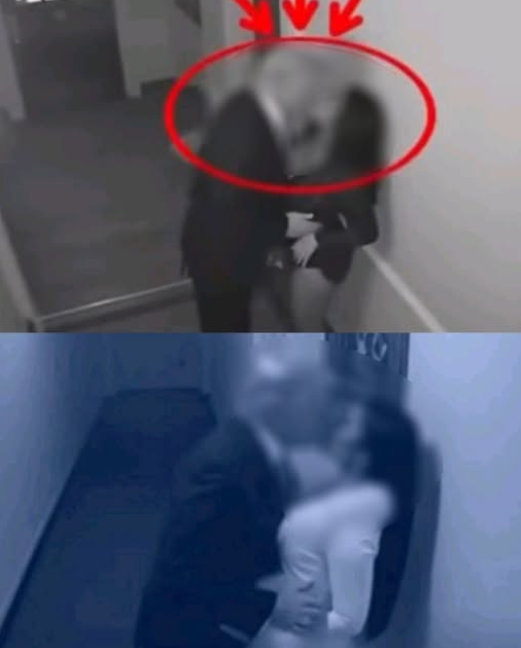
According to early reports, the footage appears to show a tense and unusual moment involving Trump and several unidentified individuals. While the authenticity of the video has not been officially confirmed, online commentators are already arguing about what it could mean. Some believe the clip may simply be taken out of context, while others claim it could reveal behind-the-scenes conversations never meant for the public.
Political analysts warn that viral clips like this often spread faster than the facts themselves. In today’s digital world, a few seconds of footage can ignite massive controversy before investigators have time to verify the source or the circumstances behind it. Still, curiosity continues to grow as more people search for the full version of the alleged recording.
Supporters of the former president have already called the claims “another online rumor,” while critics argue that the public deserves transparency if the video proves to be genuine. For now, officials have not released any formal statement addressing the circulating clip.
As the story unfolds, millions remain glued to their screens, asking the same question: What really happened in that video? 👀
In today’s fast-moving social media environment, rumors about celebrities can spread globally within minutes, often before any facts are confirmed. A recent example of this pattern involves a viral post claiming that a well-known music artist had been arrested, which circulated widely across short-form video platforms. The post used sensational language, edited clips, and phrases like “check the first comment” to encourage engagement, leading many users to question what was real and what was fabricated.
The situation reportedly began when an unverified video surfaced online showing a public figure being escorted by authorities. However, the clip lacked context, did not show clear identification, and was quickly taken out of proportion by accounts seeking views. Within hours, captions began appearing across different platforms suggesting that major artists were involved, despite no official confirmation from law enforcement or representatives.
As the rumor spread, fans of the artists mentioned in the posts began expressing confusion and concern. Some users shared the content further without checking its authenticity, while others attempted to correct the misinformation by pointing out that no credible news outlets had reported any such arrest. This created a cycle in which speculation and correction competed for attention in the same digital spaces.
Media analysts note that this type of situation is increasingly common in the era of algorithm-driven content. Posts that are shocking or emotionally charged tend to perform better, regardless of their accuracy. As a result, misleading information can sometimes travel faster than verified reporting. In many cases, by the time corrections appear, the original false claim has already reached a wide audience.
The music industry, in particular, is often affected by this phenomenon. High-profile artists frequently become subjects of rumors due to their visibility and large fan bases. Experts emphasize that public figures are especially vulnerable to edited clips, out-of-context images
Representatives and official sources typically respond to such rumors by issuing clarifications or ignoring them entirely, depending on the situation. However, the rapid spread of content on platforms like short-form video apps and repost pages makes it difficult to fully contain misinformation once it begins trending.
Digital literacy advocates encourage users to verify claims before sharing them, especially when posts rely on vague wording such as “check the comments” or “breaking news” without citing credible sources. They also recommend checking established news organizations or official statements before drawing conclusions about any incident involving public figures.
Ultimately, the incident highlights a broader issue in online culture: the tension between viral entertainment and factual accuracy. While social media allows information to travel quickly and reach global audiences, it also increases the risk of rumors being mistaken for reality. As users continue to engage with fast-paced content, the ability to critically evaluate what is seen online remains an important skill in separating fact from fiction.
