
The small cobblestone street in a quiet Berlin neighborhood is alive with early morning light. She stands on the sidewalk in a simple grey coat and scarf, long blonde hair tucked under a knit beanie, holding two large paper bags filled with warm bread rolls, fresh fruit, and thermos bottles of coffee. Her smile is soft but steady as she hands them out one by one to the small group gathered around her—men and women with weathered faces, worn jackets, and grateful eyes.
There’s no ceremony, no cameras (except the occasional phone from a passerby). She knows most of their names by now: Hans who always asks about her dog, Maria who shares stories of her grandchildren back in Poland, young Lukas who lost his job last winter. She listens more than she speaks, kneeling to meet their level when someone is sitting on the curb, making sure everyone gets a fair share.
But today the roles quietly reverse. Maria pulls a neatly folded blanket from her backpack and drapes it over her shoulders—“It’s getting colder, Liebling, take this.” Hans hands her a small, hand-carved wooden bird he whittled during long nights. Lukas shyly offers a tiny bouquet of wildflowers he picked from a nearby park. They don’t have much, but what they give is given with the same warmth she shows them every week.

She blinks back tears, laughs softly, and hugs each one in turn. The moment is simple: no grand speeches, no viral video planned—just people who’ve learned that help isn’t one-way. It flows back and forth like a quiet current, keeping everyone a little warmer, a little less alone.
The photo she posted later captured it all: her standing in the middle, surrounded by smiling faces, blanket around her shoulders, flowers in her hand. In a world that often feels divided, this small street in Berlin became proof that generosity isn’t measured by how much you have—it’s measured by how much you’re willing to share, and how gracefully you receive it when it comes back to you.

Related Posts

FROM SWASHBUCKLING LEGEND TO TIMELESS ICON: HOW PIRATES OF THE CARIBBEAN
When Pirates of the Caribbean: The Curse of the Black Pearl first sailed into theaters in 2003, few could have predicted the enormous cultural wave it would create. Audiences…

White House Scandal!! Leaked video of Donald Trump with…see more .VIDEO 😮 – Check The Comment !👇👇
White House Scandal!! Leaked video of Donald Trump with… A mysterious video allegedly connected to former U.S. President Donald Trump has suddenly exploded across social media, triggering…

White House Gives $2,000 Payment Update.. 👀Check the first comment ⤵️
Former President Donald Trump outlined a bold plan on Truth Social to fund a nationwide dividend through tariffs. He promised: “A dividend of at least $2,000 per…

Terrifying Moment on the Road: A Python Coils Around a Cow
Terrifying Moment on the Road: A Python Coils Around a Cow It was an ordinary Tuesday afternoon on Highway 128, a winding, lesser-known stretch of road that…

PITBULL DOG ATT@CKS HIS OWNER’S SON AND THIS…VIDEO 😮 – Check The Comment !👇👇
PITBULL DOG ATT@CKS HIS OWNER’S SON AND THIS…VIDEO Post Views: 68
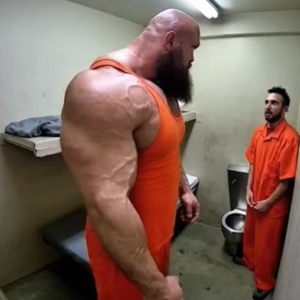
The Cell Knew Who Was in Charge…VIDEO 😮 – Check The Comment !👇👇
In a modern, high-tech correctional facility, the cell didn’t have iron bars; it had reinforced plexiglass and biometric scanners. Titan was a former heavyweight lifter with a…