
In the year 2042, deep beneath the industrial outskirts of a coastal city, engineers were preparing to activate something the world had never seen before.
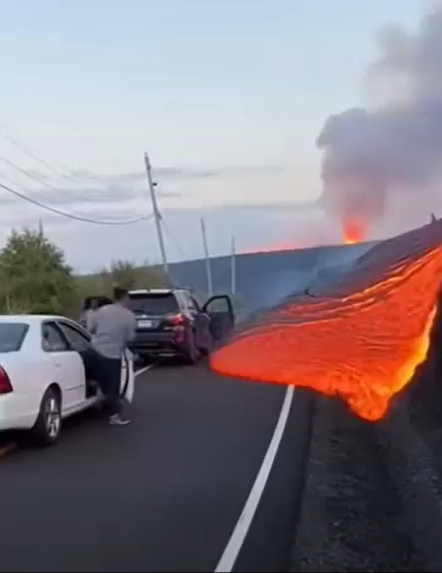
The project was called LLAVA — a self-learning volcanic energy system.
Inspired by real volcanic fields in places like Iceland, the scientists had designed a machine that could simulate and control volcanic lava flow. They named the core reactor MERR, after the ancient word for flame.
Unlike traditional power plants, LLAVA didn’t burn fuel. It created controlled streams of synthetic molten material — llava vullkanike — inside reinforced magnetic chambers. The molten streams powered massive turbines, generating clean, limitless energy.
But LLAVA wasn’t just a power source.
It could build.
Using advanced robotic arms and AI-guided fabrication systems, the molten material could be shaped into roads, buildings, even entire infrastructure systems. In disaster zones, LLAVA units were deployed to instantly create shelters and protective walls from hardened volcanic composite.
The first public demonstration was risky.
Crowds gathered outside the research complex as the countdown began.