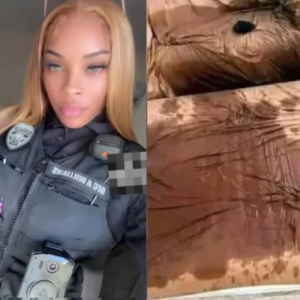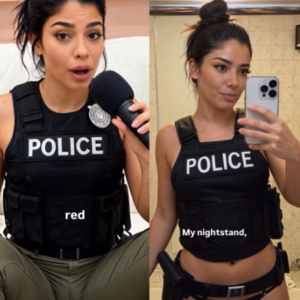
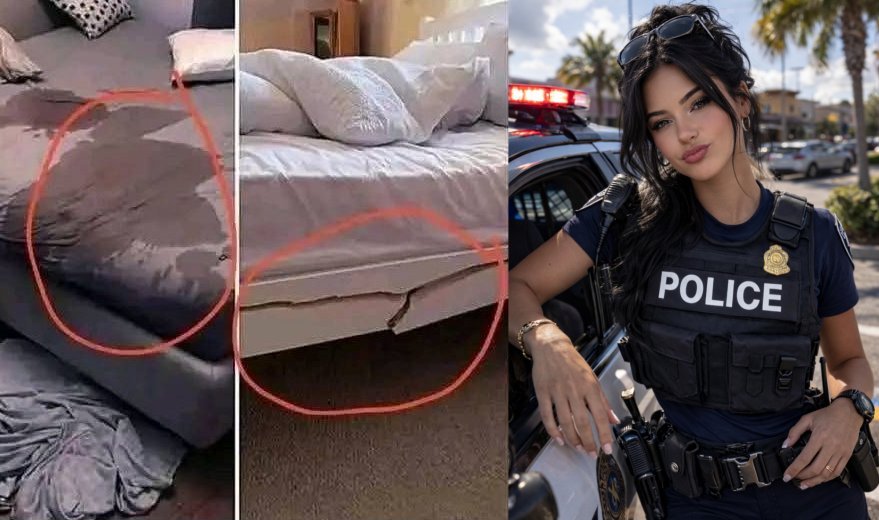
Police officer goes viral after Instagram photos put her job at risk 🚨
What she posted off-duty is now being scrutinized by thousands online.
Some say what she does on her own time shouldn’t matter.
Others argue wearing a badge comes with higher standards — even on social media.
The department hasn’t commented.
The posts are still live.
And the internet is tearing itself apart over whether she crossed a line.
It started as what she believed was a normal relationship issue. Nothing alarming. Nothing worth mentioning. But within hours, a young woman found herself in severe pain, struggling to breathe properly, and eventually rushed to the hospital.
Doctors later confirmed that her condition was caused by physical trauma linked to unsafe relationship practices, combined with delayed medical attention. While she has since recovered, her case has sparked an important conversation that goes far beyond one hospital visit.
Health experts say situations like this are more common than people realize — especially when pressure, misinformation, and unrealistic expectations about bodies come into play.
In many relationships, discussions about comfort, physical limits, and safety are avoided. Some individuals feel obligated to tolerate discomfort to meet a partner’s expectations. Others stay silent out of fear of judgment, rejection, or being compared to unrealistic standards shaped by social media and cultural bias.
Body size plays a major role in this dynamic. Research shows that people with smaller or larger body frames may feel additional pressure to “adapt” or push beyond safe limits to satisfy a partner. This pressure can lead to injuries, stress-related health issues, and long-term physical consequences when boundaries are ignored.
Body color and appearance can also affect relationship dynamics in subtle but powerful ways. Studies in social psychology have shown that colorism — discrimination based on skin tone — still influences attraction, confidence, and communication in relationships. Individuals who feel less valued because of their appearance may struggle to assert their needs or speak up when something feels wrong.