
How Online Rumors Spread: The Story Behind Recent Speculation About Donald Trump’s Health
In today’s rapidly evolving digital world, even the smallest shift in the schedule of a prominent public figure can spark widespread discussion. This phenomenon has become increasingly common as online platforms enable information—both accurate and speculative—to spread at remarkable speed. A recent example of this dynamic emerged when conversations began circulating about the health of former U.S. President Donald Trump.
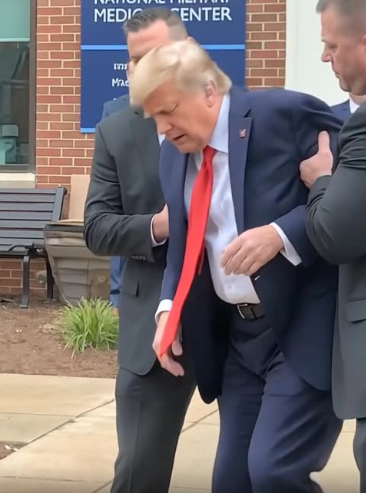
What initially appeared to be a routine scheduling adjustment quickly escalated into a major topic of online debate. Social media platforms became filled with posts speculating about possible health concerns, demonstrating how quickly narratives can develop when there is limited verified information available. While official sources did not support many of the claims being shared, the situation highlighted broader issues surrounding misinformation, public curiosity, and the role of digital communication in shaping perceptions.
This article offers a detailed overview of the events that led to the surge in online discussion, the response from official representatives, and the wider implications for how health-related information about public figures is communicated and interpreted in the modern media environment.
The Emergence of Online Speculation
The situation began when social media users started sharing posts suggesting that Donald Trump had reportedly been admitted to Walter Reed National Military Medical Center. These claims were not verified, yet they quickly gained traction across multiple platforms.
Websites and apps such as X, Facebook, and various discussion forums saw a noticeable increase in posts related to the topic. Many of these posts lacked credible sources or supporting evidence, but they were still widely shared.
As engagement grew, the narrative began to shift. Some users started presenting the unverified information as established fact, which contributed to confusion among audiences. For supporters, observers, and the general public, the lack of clarity created uncertainty and concern.
At the center of the speculation was a change in the former president’s public schedule. An announcement revealed that he would not attend certain events that had been planned for early April. Given his well-known reputation for maintaining a highly active public presence, this unexpected adjustment quickly drew attention.
When public figures deviate from their usual routines without detailed explanations, it often leads to questions. In this case, the absence of immediate clarification created an environment where assumptions could spread easily, eventually fueling broader speculation.
How Social Media Amplifies Unverified Claims
One of the most notable aspects of this situation is the role that social media played in amplifying the discussion. Modern platforms rely on algorithms designed to prioritize engaging content—posts that generate reactions, shares, and comments are often promoted to wider audiences.
In this instance, posts suggesting a medical emergency involving Donald Trump attracted significant attention. As users interacted with the content, it became more visible, reaching individuals who might not have otherwise encountered it.
This pattern is not unusual. Similar incidents have occurred in the past, where rumors about well-known individuals spread widely before being verified or corrected. The speed at which information travels online means that even unconfirmed claims can achieve substantial reach within a short period.
Another contributing factor is the emotional nature of such topics. Health-related news about prominent figures tends to generate strong reactions, which can further accelerate sharing. As a result, content that may not be accurate can still gain momentum simply because it captures public interest.
Official Responses and Clarifications
As speculation intensified, official representatives stepped in to address the situation. Statements were issued clarifying that the reports suggesting hospitalization at Walter Reed National Military Medical Center were inaccurate.
According to these statements, Donald Trump remained at his residence and continued with his regular activities. Officials emphasized that there had been no medical emergency and that the circulating claims were unfounded.
The purpose of this response was to provide clarity and reduce the spread of misinformation. By offering a direct and unambiguous statement, authorities aimed to reassure the public and correct the narrative that had developed online.
Such interventions are critical in situations where speculation begins to overshadow verified information. Prompt communication from credible sources can help restore accuracy and prevent further confusion.
Context from Previous Health Discussions
Public interest in the health of high-profile leaders is not a new phenomenon. Over the years, updates about the health of Donald Trump have periodically been shared.
At one point, it was disclosed that he had been diagnosed with Chronic Venous Insufficiency. This condition involves the improper functioning of vein valves, typically in the legs, which can affect blood flow.
Medical professionals generally consider this condition to be relatively common, particularly among older adults. It is often manageable through lifestyle adjustments, monitoring, and routine medical care.
Importantly, there have been no recent official updates indicating any significant change in his health status. Authorities have not suggested that this condition played any role in the recent wave of speculation.
Public Reactions and Online Behavior
The public response to the situation varied widely. Some individuals expressed genuine concern, while others approached the claims with skepticism. Many users encouraged patience, urging others to wait for confirmed information before drawing conclusions.
This diversity of reactions reflects broader patterns in online behavior. When information is incomplete or unclear, people often interpret it in different ways. These interpretations can be influenced by personal beliefs, prior knowledge, and the sources they trust.
Fact-checking organizations and established news outlets also played an important role during this period. By verifying claims and providing accurate updates, they helped counter misinformation and guide audiences toward reliable information.
This highlights the importance of critical thinking in the digital age. Evaluating sources, checking credibility, and avoiding the spread of unverified information are essential practices for navigating today’s media landscape.
The Value of Verified Information
One of the key lessons from this situation is the importance of relying on verified information. In an era where content can be created and shared instantly, distinguishing between accurate and misleading information has become increasingly important.
Health-related claims, in particular, require careful consideration. Misinformation in this area can lead to unnecessary concern, confusion, or even harm. For public figures, such rumors can also influence public perception and media narratives.
By waiting for official statements and consulting credible sources, individuals can help reduce the spread of misinformation. This approach contributes to a more informed and balanced public conversation.
Why Schedule Changes Draw Attention
It is not uncommon for changes in the schedules of prominent individuals to attract attention. Public figures often operate under highly structured calendars, and any deviation can prompt curiosity.
In the case of Donald Trump, his consistent and visible public presence has led many to associate routine activity with stability. As a result, unexpected changes can quickly lead to speculation.
This phenomenon illustrates the close relationship between visibility and public interest. The more prominent a figure is, the more closely their actions are observed and analyzed.
The Broader Issue of Digital Misinformation
Beyond this specific incident, the situation highlights a larger challenge: the spread of misinformation in the digital age. Advances in technology have made it easier than ever to share information, but they have also made it more difficult to ensure accuracy.
False or misleading claims can spread rapidly, especially when they involve well-known individuals or emotionally engaging topics. Once such claims gain traction, correcting them can be challenging, even after official clarifications are issued.
This underscores the importance of media literacy—understanding how information is produced, distributed, and consumed. Developing these skills can help individuals better navigate complex information environments.
The Role of Media and Public Trust
Traditional media organizations also play a crucial role in shaping public understanding. Responsible journalism involves verifying information before publication and clearly distinguishing between confirmed facts and speculation.
Maintaining public trust depends on accuracy, transparency, and accountability. When media outlets uphold these principles, they contribute to a more reliable information ecosystem.
In this case, many established organizations chose to wait for official confirmation before reporting on the rumors. This approach reflects a commitment to responsible reporting and helps prevent the spread of misinformation.
Key Takeaways from the Incident
Several important insights can be drawn from this episode:
Information can spread rapidly, especially on social media platforms.
Verification is essential to prevent misunderstandings.
Public figures are subject to intense scrutiny, even for minor changes.
Clear and timely communication from official sources is critical.
These lessons are not limited to this situation—they are relevant to understanding how information flows in the modern digital landscape.
Current Status and Moving Forward
At present, there is no verified evidence supporting claims that Donald Trump was hospitalized. Official statements indicate that he continues to carry out his regular activities without interruption.
The situation appears to have been driven largely by speculation rather than confirmed facts. As the discussion subsides, it serves as a reminder of the importance of careful information sharing.
