
In a modern, high-tech correctional facility, the cell didn’t have iron bars; it had reinforced plexiglass and biometric scanners.
Titan was a former heavyweight lifter with a neck wider than most men’s thighs and a quiet, brooding energy. He was the “muscle” of the wing, but he spent most of his time silently reading philosophy on a government-issued tablet. His cellmate, Zip, was a twitchy, five-foot-four coder who had been caught skimming fractions of a cent off international bank transfers. Zip was small enough to fit inside a laundry bin and fast enough to talk his way out of a riot.
They weren’t planning a “tunnel” escape—this was the 21st century. They were planning a glitch.
“The firmware update for the automated doors happens at 03:00,” Zip whispered, his fingers miming a keyboard against the cold plastic of their table. “It creates a four-second window where the magnetic locks reset. Four seconds, Titan.”
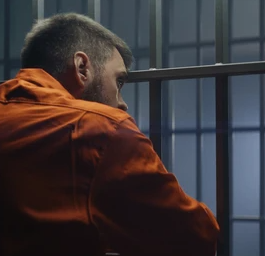
Titan didn’t look up from his screen. “I can clear the hallway in three. But what about the outer gate? It’s facial recognition.”
Zip pulled a small, illegal piece of hardware from the lining of his sneaker—a “spoofing” device he’d assembled using parts scavenged from the prison’s e-waste workshop. “I’ve got a high-res thermal image of the Warden’s face saved. We just need to get me to the terminal in the guard’s station. You take care of the physical obstacles; I’ll handle the digital ones.”
When the clock hit 03:00, the subtle click of the magnetic lock echoed. They moved like a single machine. Titan used his massive frame to shield Zip from the overhead cameras, moving with a surprising, silent grace. When a lone guard turned the corner, Titan didn’t use a weapon; he simply stood in the man’s path. The guard, looking up at the mountain of a man, froze in pure instinctual fear, giving Zip the seconds he needed to jam the spoofing device into the station’s port.
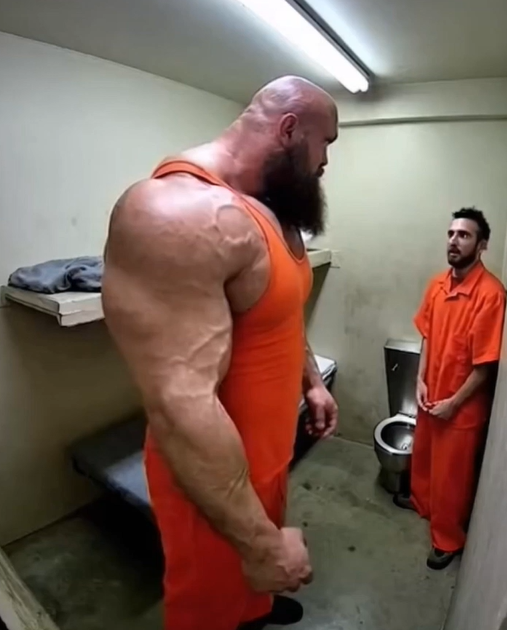
The final gate didn’t groan or creak; it slid open with a soft, electronic chime.
Outside, the air was cold and smelled of rain, not floor wax. A drone hummed in the distance, part of the perimeter patrol. Zip looked at the sprawling woods ahead, then up at Titan.
“We’re ghosts now, big man,” Zip said, his voice finally steady. “I’ve already wiped our digital footprints. As far as the system is concerned, we were never even in those cells.”
Titan finally smiled, a slow, terrifyingly calm expression. “Then let’s go find a place where they don’t have Wi-Fi.”
Should the next part of their story involve a high-speed chase with a police drone or them trying to blend into a crowded city?
